
For independent online operators and affiliate marketers, building a responsive and engaged audience is a fundamental component of running a sustainable digital business. Once you have established initial contact with your audience, the next logical step is managing follow-up communications effectively. However, the line between helpful outreach and unwelcome intrusion is remarkably thin. Developing a structured, consent-aware system for your communications is essential not just for operational efficiency, but for maintaining the long-term trust of the individuals who have chosen to interact with your platform.
A poorly managed outreach strategy can quickly lead to list fatigue, increased unsubscribe rates, and a degraded brand reputation. Conversely, a thoughtful approach that respects user preferences and delivers relevant information at the right time can foster strong, mutually beneficial relationships. This guide provides a practical framework for independent operators to systematize their outreach efforts, ensuring that every message serves a clear purpose and respects the boundaries of the recipient.
The Importance of Consent-Aware Communication
The foundation of any sustainable outreach system is explicit, informed consent. Before initiating any follow-up sequence, it is imperative that the recipient has clearly agreed to receive communications from you, understanding both the type of content they will receive and the frequency of those messages. Operating with a consent-first mindset is not merely a best practice for audience engagement; it is a critical operational standard.
When individuals provide their contact information, they are extending a level of trust. Honoring that trust means delivering on the expectations set during the sign-up process. If a user opted in to receive a weekly newsletter, sending them daily promotional alerts violates that initial agreement. Consent-aware communication requires operators to meticulously track opt-in sources and respect the stated preferences of their audience. Keep those records so the team can check whether a planned message matches the recipient’s permission. Consent records alone do not guarantee inbox placement or delivery; monitor failures and complaints separately.
Choose the rules for the channel before choosing the tool. For commercial email, consult the FTC’s CAN-SPAM business guide. This article recommends a consent-first operating standard; it is not a complete legal checklist or permission to contact someone through a different channel.
Structuring Your Follow-Up Workflow
Moving from ad-hoc messaging to a structured follow-up workflow requires planning and organization. Independent operators must map out the typical journey of their audience members to determine when and how outreach is most appropriate. A well-structured workflow is segmented based on user behavior and engagement levels, rather than relying on a one-size-fits-all approach.
Consider dividing your audience into distinct segments, such as new subscribers, active engagers, and dormant contacts. The cadence and content of your outreach should vary significantly across these groups. For a new subscriber, a structured onboarding sequence that provides immediate value is appropriate. For active engagers, timely updates related to their specific interests are more relevant. For dormant contacts, a gentle re-engagement message, or a process to cleanly remove them from your active list, is necessary to maintain list hygiene.
Documenting this workflow—whether through a flowchart or a detailed standard operating procedure—ensures consistency in how you communicate. It also provides a clear framework for evaluating the effectiveness of your outreach efforts, allowing you to refine your approach based on what resonates best with your audience.
A Checklist for Ethical Outreach Management
Maintaining a clean and effective communication strategy requires ongoing diligence. Use this practical checklist to review and refine your outreach management processes on a regular basis:
- Verify Opt-In Records: Ensure you have a clear, date-stamped record of consent for every contact in your database.
- Review Message Frequency: Audit how often different segments of your audience are receiving messages to prevent communication fatigue.
- Simplify Unsubscription: Check that the process for opting out of communications is clearly visible, functional, and requires no more than one or two clicks.
- Honor Opt-Outs Immediately: Test that an opt-out stops queued outreach and future campaign selection. Preserve the suppression record; do not erase it in a way that could allow accidental re-enrollment.
- Segment by Engagement: Regularly identify and separate inactive contacts from those who regularly open or interact with your messages.
- Audit Message Content: Review your standard templates to ensure the language is professional, clear, and provides genuine value rather than relying on aggressive tactics.
- Test Deliverability: Periodically monitor your sender reputation and bounce rates to identify potential technical issues early.
Deciding on an Outreach Method: Manual, Scheduled, or Automated
Operators must choose how to deploy their communications. The right method depends on the scale of your operation, the complexity of your messaging, and the level of personalization required. The decision table below compares three common approaches to managing outreach.
| Method | How It Works | Best Suited For | Key Advantage | Key Consideration |
|---|---|---|---|---|
| Manual Sending | Drafting and sending individual messages in real-time. | Very small audiences, highly customized one-to-one communications, or unique inquiries. | Maximum control and personalization. | Time-consuming and difficult to scale as the audience grows. |
| Scheduled Sending | Preparing a draft and, only where the channel permits it, verifying a saved future send. Otherwise use a reminder for manual review. | Coordinating announcements across time zones, managing sequential follow-ups, or organizing weekly updates. | Separates preparation from the planned review or send time. | Verify account controls, permission, timezone, cancellation and delivery evidence; stop if the conversation changes. |
| Trigger-Based Automation | A configured rule may start a response after an eligible event; verify the trigger and channel permissions. | Permitted acknowledgments or requested information with a defined fallback. | Can reduce repeated manual steps after the exact workflow passes testing. | Test overlap, failure handling, opt-outs and human handoff; a triggered rule is not proof of delivery. |
Executing Your Strategy with Timing in Mind
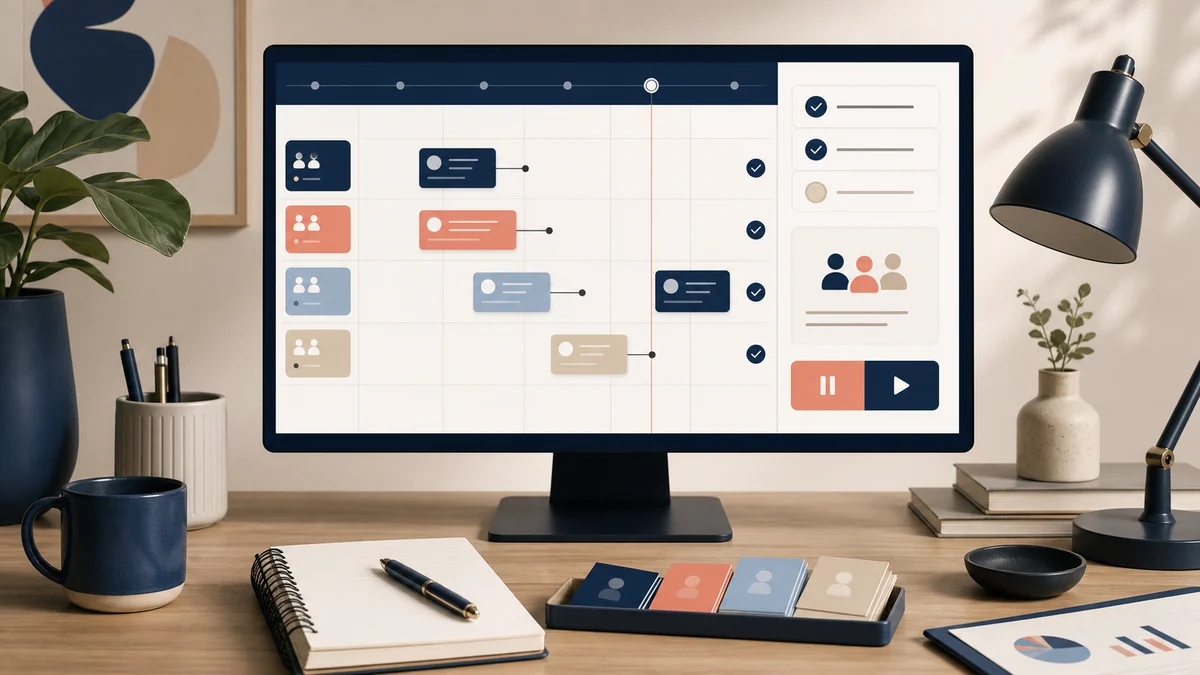
Timing is a critical factor in the effectiveness of any outreach campaign. Delivering a message when your audience is most likely to be receptive requires an understanding of their typical habits and time zones. For independent operators managing a global audience, real-time manual messaging is often impractical. Instead, preparing your communications in advance allows you to maintain a consistent presence without being tied to your desk around the clock.
Plan the review time, responsible teammate, recipient timezone, and cancellation conditions before choosing a sending method. A calendar entry is not proof that a platform can deliver a message at that time. For a practical distinction between personal reminders and permission-checked business follow-up, review scheduling your outreach messages. Check the controls and permissions available for the exact account; if a scheduled item or permitted action cannot be verified, keep the message as a draft for human review.
Keep app-specific instructions separate. Meta’s Instagram scheduled-message announcement describes Instagram DMs, not a universal Facebook Messenger scheduling control. Verify the current account interface and saved item before relying on a delayed send.
Maintaining Audience Trust
The goal of any scheduled outreach system is to build and maintain trust. This is achieved not just through the timing of your messages, but through the substance of what you send. Consistency, transparency, and a focus on delivering value are the hallmarks of a respected operator. If your audience begins to feel that their attention is being taken for granted, they will quickly disengage.
It is important to remember that communication tools are merely facilitators. The responsibility for how they are used rests entirely with the operator. For insights into maintaining a respectful communication style, consider reviewing our guide on how to use messenger automation without annoying your audience. Furthermore, ensuring that your overall operational practices are sound is equally important. Operators should regularly review their internal processes, a topic covered in our guide to reviewing operational evidence before trusting performance claims.
Make a suspicious-message check part of human review. The FTC’s phishing guidance recommends contacting a company through a phone number or website you already know is real, rather than trusting contact details in an unexpected message. Apply that check before following a request for account or payment information.
Frequently Asked Questions
How frequently should I send messages to my list?
The ideal frequency depends heavily on the expectations set during the opt-in process. If users signed up for a daily tip, daily is appropriate. If they signed up for a general newsletter, weekly or bi-weekly is often more suitable. Monitor your engagement metrics; if open rates drop or unsubscribes increase, you may be sending messages too frequently.
What should I do if a subscriber stops engaging?
Do not use a fixed inactivity interval or an open event alone as permission for another message. Review the original consent, recent requests, opt-out state, and the rules for the exact channel. Keep uncertain contacts out of automated outreach while the team reviews them. Preserve opt-out records so removing a contact from an active audience does not accidentally make them eligible again.
Is it necessary to segment a small audience?
Yes, even basic segmentation is beneficial early on. At a minimum, separating new subscribers who are still learning about your platform from long-term followers allows you to tailor your messaging more appropriately, leading to better engagement overall.
Why is sender reputation important?
Sender reputation is a score assigned by service providers based on your sending habits. High bounce rates, spam complaints, and sending to inactive addresses negatively impact this score. A poor sender reputation can result in your messages being automatically filtered into spam folders, regardless of the content.
How do I handle replies to automated or scheduled messages?
It is crucial to monitor the inbox associated with your outbound communications. When a user takes the time to reply to an automated message, they expect a human response. Ensure you have a process in place to check for and respond to these inquiries in a timely and professional manner.
Conclusion
Implementing a practical, scheduled outreach system allows independent operators to manage their communications efficiently while respecting the boundaries of their audience. By prioritizing explicit consent, structuring your follow-up workflows, and carefully considering the timing and method of your messages, you can build a more engaged and trusting subscriber base. Remember that effective communication is an ongoing process of refinement, requiring regular audits and a commitment to providing consistent value to the individuals who have invited you into their digital spaces.



0 Comments