

The Publisher’s Dilemma With Earning-App Claims
Affiliate publishers and digital operators face significant pressure when evaluating new platforms that advertise user compensation. Rapidly developing digital channels introduce complex earning models that require careful evaluation before any public mention. The temptation to publish early for traffic can conflict with the necessity of verifying whether an offer aligns with established editorial standards. When an operator prematurely shares details about a novel system, they risk transferring the platform’s claims directly to their own audience without adequate scrutiny.
Developing a standardized framework allows publishers to assess these systems systematically. This evaluation requires stepping away from promotional material and applying a neutral, evidence-based approach. The primary goal is to determine if verifiable data exists to warrant mentioning it to readers.
Publishers must remain aware that sharing an unverified opportunity can create substantial risk. Before deciding what disclosure applies, editorial teams should check FTC rules regarding when they receive compensation for discussing a platform. Even when a publisher receives no direct compensation for the mention, the decision to amplify a platform’s claims carries a fundamental editorial responsibility. Understanding the difference between informational review and implicit endorsement is the foundation of digital publishing integrity.
Establishing a Reliable Evidence Workflow
The first step in any publisher’s evaluation process is establishing a workflow that relies exclusively on verifiable documentation and independent analysis. This workflow must explicitly reject the platform’s own marketing copy as primary evidence. Instead, publishers should look for detailed documentation, technical breakdowns, and comprehensive third-party evaluations that describe the system’s mechanics without endorsing its outcomes.
When searching for reliable information, operators often consult detailed third-party breakdowns to understand how a platform functions. For example, a publisher might read an independent MathBot earning-app review to gather initial operational details. It is essential to recognize that such informational reviews exist to explain the mechanics and structure of the app, and their claims still require independent verification by the publisher. Reviewing third-party analyses helps build a baseline understanding of what the platform asserts, which the publisher can then test against official standards.
A rigorous workflow also involves comparing the platform’s operational model against established guidance on online business practices. For instance, evaluating how a system manages personal data should involve consulting resources on digital privacy. The Federal Trade Commission advises consumers to consider how platforms collect, use, and share personal information. By reviewing guidance on how websites and apps collect and use your information, publishers can formulate specific questions about a platform’s privacy policy and data retention practices.
Integrating Security and Risk Baselines
Security fundamentals must form a core component of the evaluation workflow. Publishers have a responsibility to assess whether a platform introduces potential digital risks. Evaluating the technical requirements, such as required account permissions or data access levels, helps determine the overall risk profile. Following baseline security practices, such as those recommended by the Cybersecurity and Infrastructure Security Agency for how to secure our world, provides a framework for evaluating the general safety requirements of interacting with new digital tools.
Furthermore, the workflow must actively screen for indicators of common digital risks. Operators should review federal resources detailing deceptive employment or income opportunities. The FTC provides specific criteria for identifying job scams and deceptive earning claims. Publishers can use this official criteria to evaluate whether a platform’s promises of compensation rely on mandatory upfront payments or unrealistic guarantees, which serve as an editorial screen when evaluating an income-generating claim.
Concrete Audit Checklist for Earning Platforms
Before mentioning any compensation-based platform, publishers should complete a structured audit.
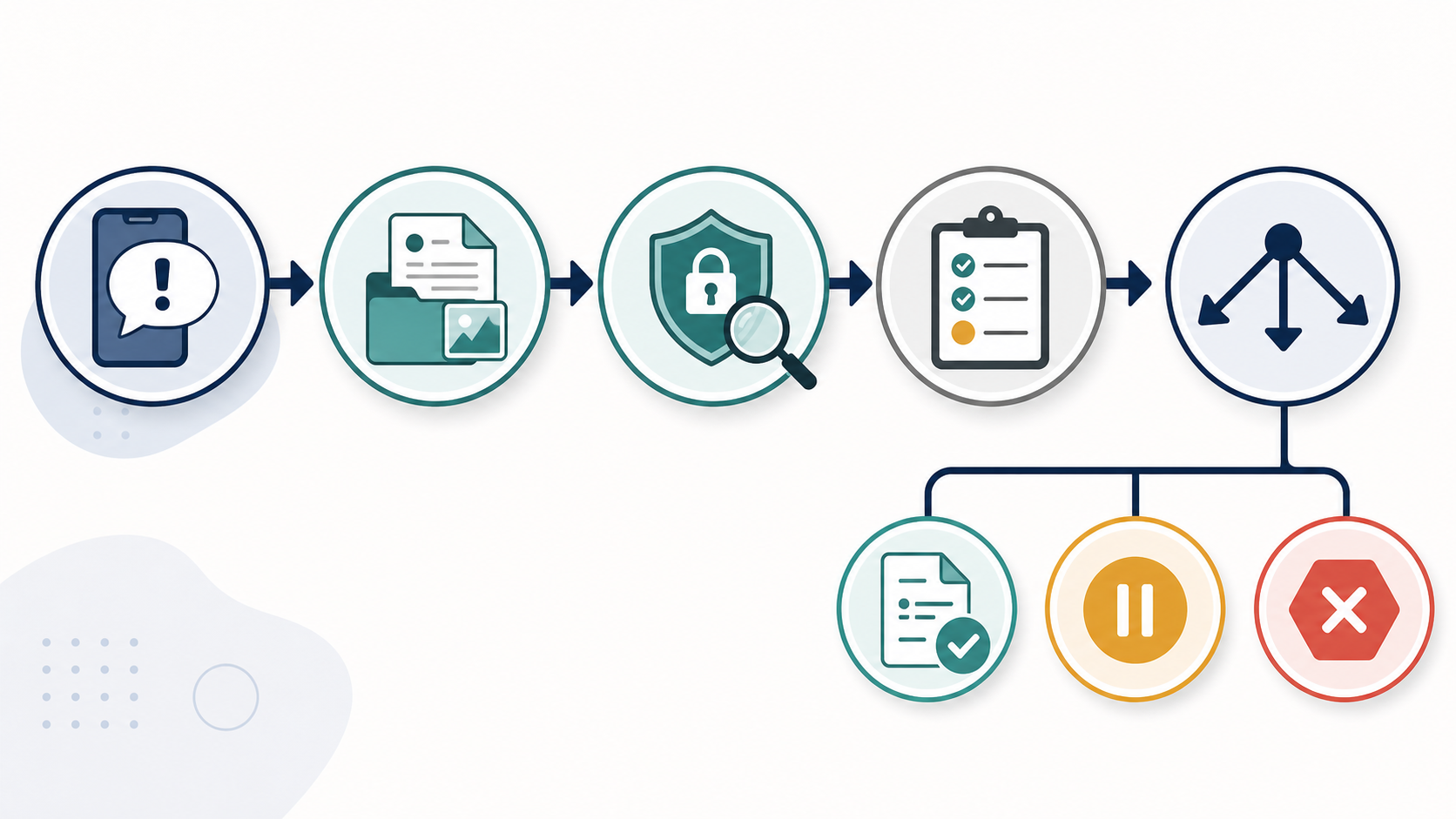
- Documentation Verification: Locate and review the platform’s official terms of service, privacy policy, and user agreement. Confirm that these documents clearly explain the mechanisms for compensation and data usage.
- Access Requirement Analysis: Document exactly what permissions, account connections, or personal details the platform requires to function. Assess whether these requirements align with the stated purpose of the application.
- Independent Review Sourcing: Gather analyses from independent operators who have documented the platform’s mechanics. Verify that these external reviews separate operational description from promotional endorsement.
- Regulatory Alignment Check: Compare the platform’s stated practices against established consumer protection guidelines regarding data collection and earning claims.
- Disclosure Strategy Formulation: Draft the specific disclosure language required if the editorial team decides to proceed with publication, ensuring it meets all federal endorsement criteria.
Evaluating Endorsement and Disclosure Requirements
If a publisher determines that a platform warrants discussion, the next critical phase is ensuring total compliance with endorsement guidelines. Transparency is not optional; it is a fundamental regulatory requirement. If the publisher has any material connection to the platform, including affiliate links, early access, or direct payment, that relationship must be conspicuously disclosed to the audience.
The regulatory framework for these disclosures is highly specific. The FTC mandates that any endorsement must reflect the honest opinions, findings, or experiences of the publisher. To understand the full scope of these requirements, operators must study the official FTC endorsement guides, which detail how and when material connections must be revealed. These guidelines apply across all digital formats, from long-form articles to brief social media posts.
Furthermore, when publishing across different channels, the method of disclosure must adapt to the medium. Social media requires distinct approaches to ensure the disclosure is unavoidable. The FTC provides explicit instructions on disclosures for social media influencers, emphasizing that disclosures must be placed where users will easily notice them. Proper disclosure ensures the audience can accurately weight the publisher’s analysis.

Evidence Evaluation Mobile-Safe List
To maintain clarity across all devices, publishers should organize their evidence evaluation into clear, distinct points rather than using complex data tables. This mobile-safe format ensures the editorial team can reference the evaluation criteria easily.
- Earning Claim Assessment: The evaluation must document whether the platform guarantees income. A rigorous review categorizes any guaranteed return as an unverified claim requiring strict scrutiny before publication.
- Operational Mechanics: The analysis should detail the specific actions required by the user to participate. This includes identifying the exact tasks, time commitments, and technical interactions involved.
- Data Usage Policies: The review must summarize the platform’s stated policy on data retention and sharing, explicitly noting what information is collected during standard operation.
- External Analysis Integration: The assessment should record the findings of third-party operational reviews, ensuring those findings are treated as informational context rather than conclusive proof of legitimacy.
The Disclosure Decision Process
The culmination of the audit and evaluation phases is the disclosure decision. This is not merely a choice of whether to publish, but a determination of how to frame the information. The only safe outcomes are: publish a carefully sourced informational review with limitations, hold for more evidence, or do not publish. This decision dictates the tone, structure, and necessary disclaimers of the resulting content. Approaching this decision systematically prevents reactionary publishing.
When constructing the final content, the editorial team must ensure the tone remains objective. The language should reflect the rigorous process used to evaluate the platform. If the platform involves conversational interfaces or automated messaging, publishers might reference related strategies, such as how small businesses should evaluate customer conversation software, to provide broader context on digital interactions. The focus must always remain on informing the audience rather than persuading them.
Update and Stop Rules for Published Content
Publishing an article about an earning platform is not the final step. Digital platforms evolve rapidly, and a publisher’s analysis must remain accurate over time. Establishing strict update and stop rules ensures that outdated or newly inaccurate information is removed or corrected promptly. A rigid maintenance schedule protects both the publisher’s reputation and the audience’s interests.
The editorial policy should define specific triggers for reviewing published content. These triggers might include significant changes to the platform’s terms of service, new regulatory guidance, or shifts in the platform’s operational model. If a platform alters its compensation structure or data practices, the publisher must immediately re-evaluate the content. In cases where a platform introduces unexpected technical changes, publishers might need to reconsider their broader digital strategy, potentially reviewing guidelines on how to use messenger automation without annoying your audience to understand the implications of the platform’s new direction.
Stop rules are equally critical. A stop rule dictates the exact conditions under which a publisher will update or remove content based on verified changed facts. If a platform alters its operational model or no longer aligns with initial findings, the stop rule must be activated immediately. Content should be updated with a documented correction, a prominent updated limitation, or unpublished entirely. This ongoing commitment to accuracy defines responsible digital publishing.
Frequently Asked Questions
Why must publishers evaluate earning-app claims before sharing them?
Publishers have an editorial responsibility to ensure the information they provide is accurate and not deceptive. Sharing unverified claims can inadvertently transfer a platform’s unproven assertions to the publisher’s audience, potentially exposing readers to significant digital or financial risks.
How should a publisher use an independent informational review of an app?
An independent informational review should be used to understand the basic mechanics, structure, and stated purpose of the app. It serves as a baseline for understanding the platform’s operational model, but its claims still require independent verification against official standards before the publisher can consider the information verified.
What constitutes a material connection that requires disclosure?
A material connection includes any financial, employment, personal, or family relationship between the publisher and the platform. This encompasses direct payments, affiliate link commissions, early access, and any incentive affecting objectivity.
Where can publishers find official guidance on identifying deceptive opportunities?
Publishers should consult official government resources, such as the Federal Trade Commission, which provides specific guidance and criteria for identifying deceptive employment offers and income opportunities.
When should a publisher update or retract an article about a platform?
Content must be updated when a platform changes its terms of service, operational model, or data practices. If verified changed facts emerge, an article should be updated with a documented correction, a prominent updated limitation, or unpublished entirely.



0 Comments